

There is a great deal of debate about the benefits and drawbacks of artificial intelligence. Much of the conversation, quite rightly, focuses on ethics, governance, risk, and the need for robust human oversight. But today we want to share something a little different: a straightforward, real-world example of AI being used as a practical problem-solving tool, saving time, reducing frustration, and delivering a result that had resisted every other attempt at resolution by our Chief Executive and Founder Lisa Ventura MBE FCIIS.
This is the story of a stubborn technical problem, a conversation with Claude (the AI assistant developed by Anthropic), and a fix that took minutes after months of getting nowhere.
The Problem
Lisa runs a personal blog called Cyber Geek Girl (www.cybergeekgirl.co.uk). For a considerable period of time, she had been experiencing a frustrating issue: whenever she shared a blog post link on her Facebook page, the preview would display the title of the whole website rather than the title of the individual post.
This matters more than it might initially seem. Social media link previews are often the first thing a reader sees. A post title that reads “Cyber Geek Girl — Lifestyle, Technology, Happiness & Positivity!” instead of the actual article title gives no indication of what the post is about, significantly reducing the likelihood that someone will click through to read it.
Lisa had tried everything she could think of. She adjusted settings in her Yoast SEO plugin. She reviewed the configuration of her Divi Extra theme. She searched for answers online. Nothing worked. The problem stubbornly persisted.
Bringing in Claude
Out of ideas, Lisa decided to ask Claude to help troubleshoot the issue. Rather than offering a generic checklist of things to try, Claude took a methodical approach: it examined the actual page source code of one of Lisa’s blog posts and looked carefully at what Open Graph metadata was being output.
Open Graph tags are the snippets of code that tell platforms like Facebook what title, description, and image to display when a link is shared. They sit in the head of a web page and, when working correctly, pull through the specific details of each individual post.
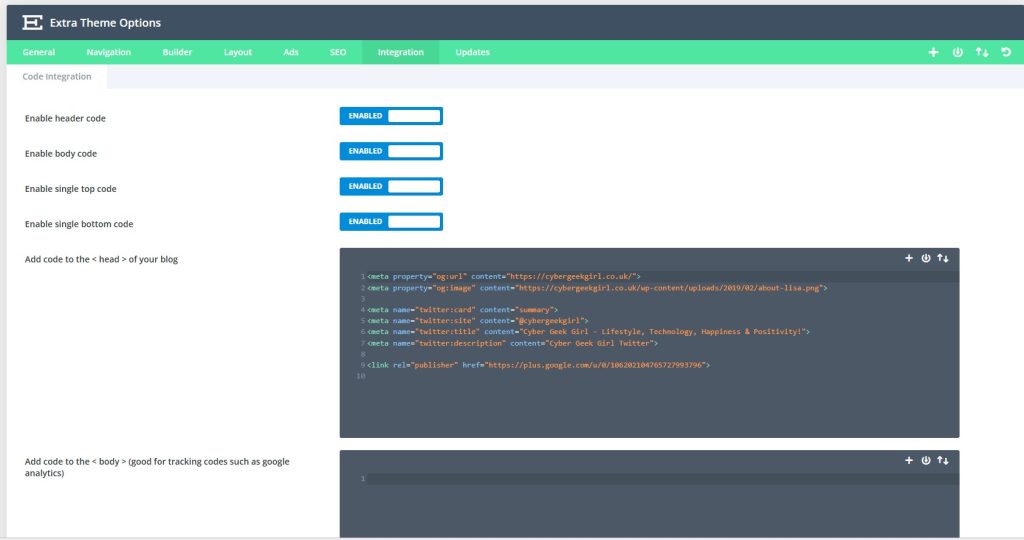
Claude identified the problem quickly. There were two sets of Open Graph tags in the page source. Yoast SEO was correctly generating tags specific to each post — the right title, the right URL, the right information. But further down in the code, a second set of tags was appearing, hardcoded into the Divi Extra theme’s Integration settings. These contained a fixed og:url pointing to the homepage and a fixed og:title containing the site name. Because Facebook reads the last occurrence of a tag when duplicates exist, it was picking up the theme’s hardcoded version every single time, ignoring everything Yoast was doing.
The Fix
The solution was straightforward once the cause was identified. The hardcoded Open Graph code in the theme’s Integration header field was removed entirely, leaving Yoast SEO as the sole source of that metadata. Claude explained clearly why this was the right approach: Yoast already handles Open Graph output automatically and correctly for every page and post, so any manually added code in that field serves only to create conflicts.
After saving the change and running the URL through the Facebook Sharing Debugger to force a cache refresh, the correct post title appeared in the preview immediately.

What This Demonstrates
This is a small example, but it illustrates something important about how AI can genuinely add value when used thoughtfully.
The problem had resisted resolution for a long time not because it was technically complex, but because the cause was hidden in an unexpected place. Without examining the actual page source and understanding how Open Graph tags interact across multiple systems, it was almost impossible to identify through trial and error alone. Claude brought the ability to read and analyse the code directly, reason about what was causing the conflict, and explain the solution clearly — without jargon, without assumptions about technical expertise, and without requiring Lisa to understand every detail of how the underlying systems work.
In Lisa’s own words:
“I’d been trying to resolve this on and off for ages, yet in a matter of minutes, not only did I have the fix, but it was also explained to me in easy-to-understand language with no jargon so I could implement it myself. When used in the right way, AI can be an incredible time-saving tool.”
A Note on Responsible AI Use
At the AICSA, we believe that conversations about AI need to reflect the full picture. That means honest discussion of risks, limitations, and the governance frameworks needed to use AI responsibly. But it also means acknowledging the genuine, practical value that AI tools can deliver — particularly for individuals and small organisations who may not have access to dedicated technical support.
Used well, AI is a capable, patient, and accessible problem-solving partner. It does not replace expertise, critical thinking, or human judgement. But it can make technical knowledge more accessible, reduce the time spent on frustrating problems, and empower people to understand and implement solutions themselves.
That is a positive story about the use of AI in a practical way that is worth telling.